
Nourishing Autumn: Small Habits for the Season of Cold & Wind
Glasgow does not ease into autumn. One week you are walking home in the light, the next the pavements are wet by four and everyone on the subway is coughing. The body notices before the diary does. Sleep gets heavier and less restful, skin tightens, the throat feels scratchy by Thursday and the enthusiasm you had in September quietly goes missing.
None of that means anything is wrong with you. It means the season has changed and your body has not caught up yet. The good news is that the catching up is mostly made of small things, done often, rather than one grand gesture in January.
What the season actually asks of you
Three things shift at once. There is less daylight, which moves your sleep and your mood. The air gets colder and drier, indoors as well as out, once the heating goes on. And you spend more time inside with other people, which is simply how most winter bugs travel.
So the useful work is not dramatic: keep yourself warm, keep yourself moist, sleep more than you did in August and eat food that has been cooked rather than chilled.
The Chinese medicine view: autumn belongs to Metal
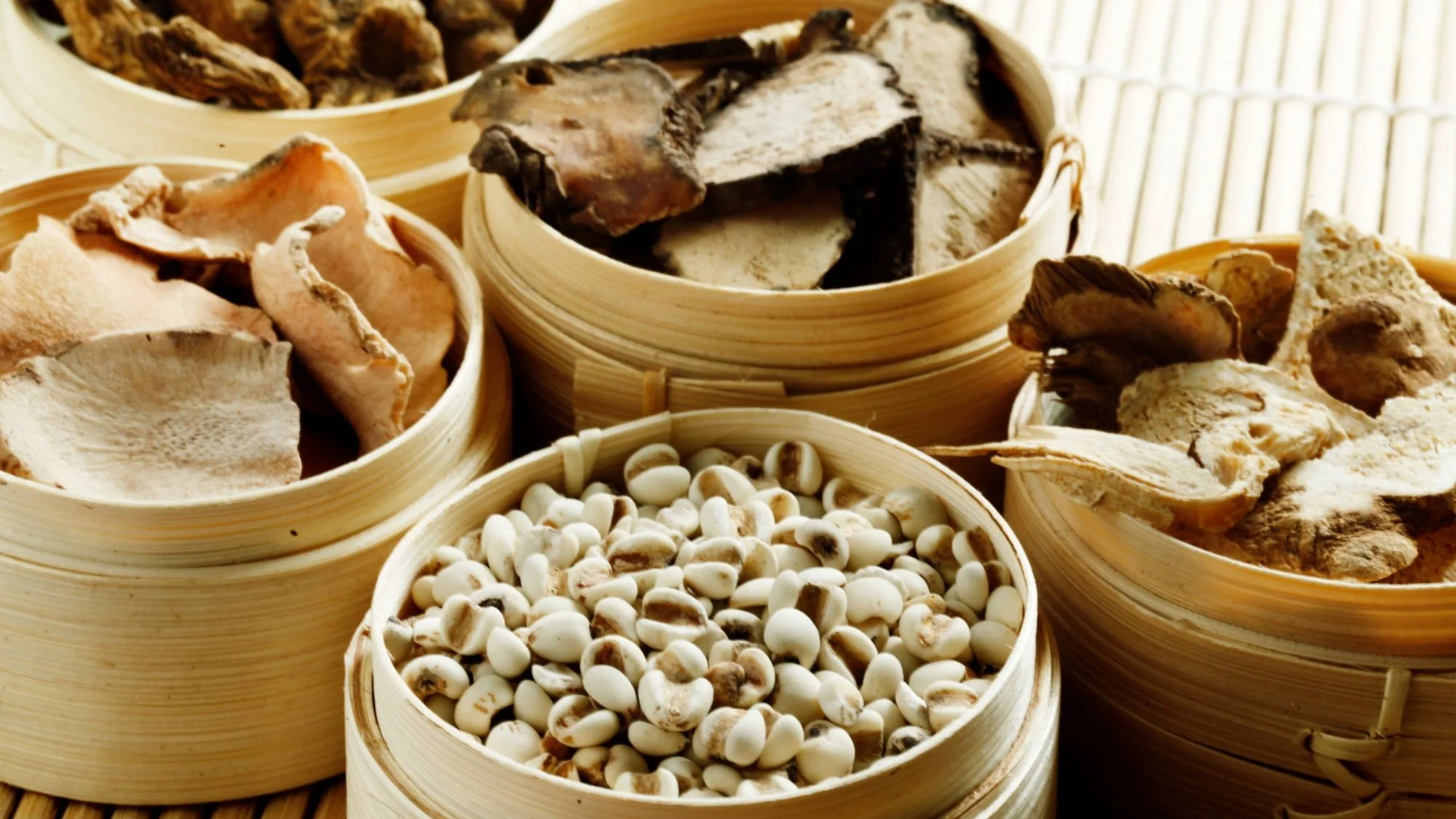
In traditional Chinese medicine the year has five seasons, and autumn is governed by the Metal element, which is paired with the Lung and the Large Intestine. It is a season of drawing in and letting go, the same thing the trees are doing outside.
What that means in practice is less mystical than it sounds:
Protect the exterior: The Lung, in this tradition, is considered the most exposed of the organs and the one most easily affected by dryness and by cold wind on the back of the neck. Hence the very old advice to cover the nape of your neck once the wind turns. A scarf in October is a health measure, not a style choice.
Moisten rather than heat: The instinct is often to reach for fiery, heavily spiced dishes, but the classical guidance is gentler: warm, soft, slightly sweet food that puts moisture back into tissues parched by radiators and cold air.
Release what has run its course: Because Metal is the element of release, autumn is traditionally the season for clearing out, finishing what has been dragging on and allowing a bit of natural melancholy without treating it as a problem to be fixed.
Eat for moisture, not just for warmth
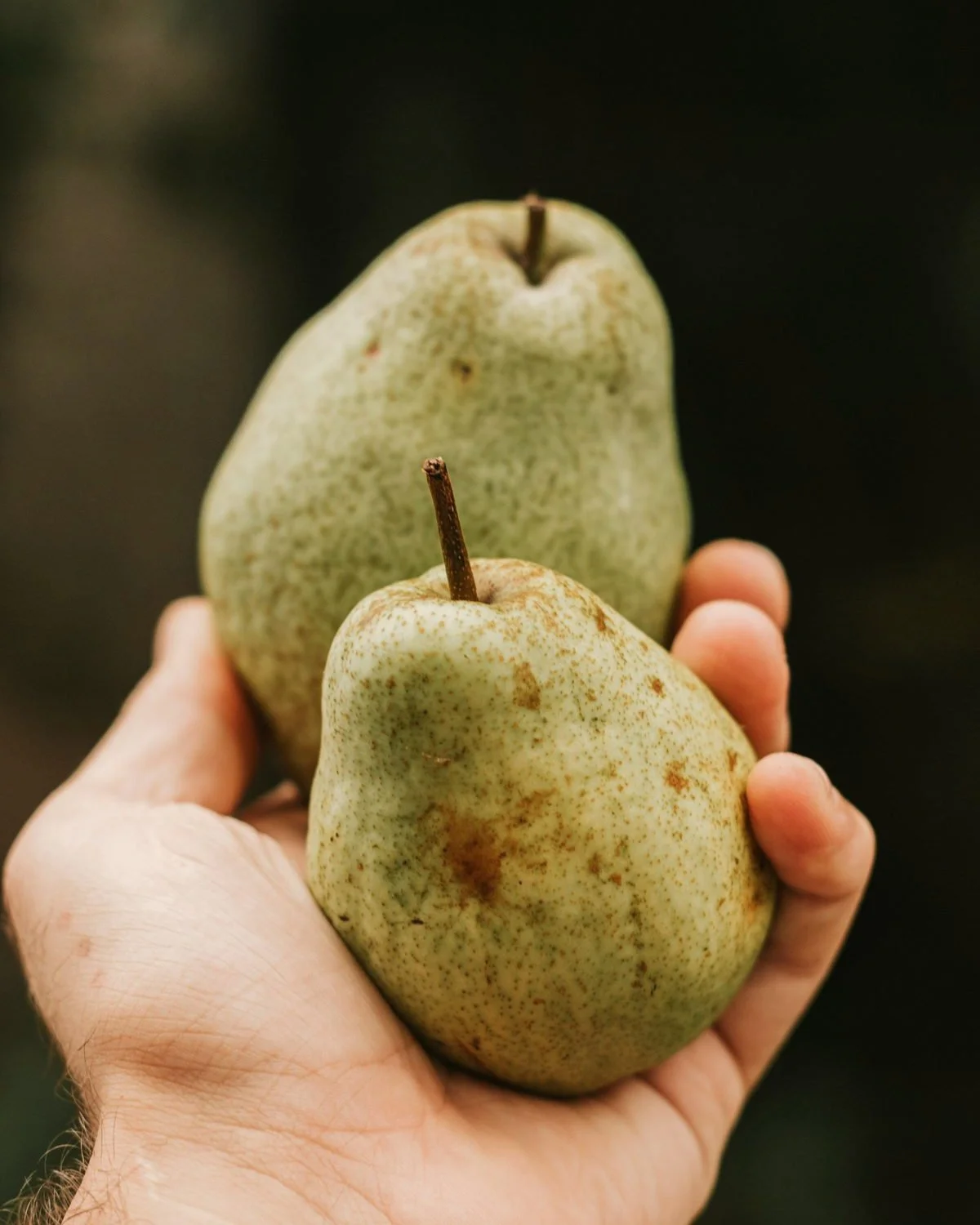
Pears are the classic autumn food in Chinese dietary thinking, said to nourish and soften the Lung, and they happen to be at their best right now. Poached with a little honey and ginger is the traditional preparation, and it takes ten minutes.
Beyond that, a few easy habits:
Cook rather than chill: Soups, stews, porridge and congee all count. Raw salads are demanding on digestion once the temperature drops.
Lean on pale, moistening foods: Pear, apple, daikon radish, mushrooms, almonds, white fungus, oats and honey.
Add warming aromatics in moderation: Fresh ginger, spring onion, a pinch of cinnamon or a gentle clove of garlic, used sparingly to support warmth without drying you out.
Keep drinking water: Central heating is as dehydrating as dry weather, and thirst is an unreliable signal once the cold sets in.
Remember the Scottish caveat: From October to March the sunlight here is not strong enough for your skin to synthesise vitamin D, so a daily supplement is sensible for everyone across the winter. Beyond that, eat a varied plate of seasonal vegetables and do not overcomplicate the rest.
Herbal support, kept simple
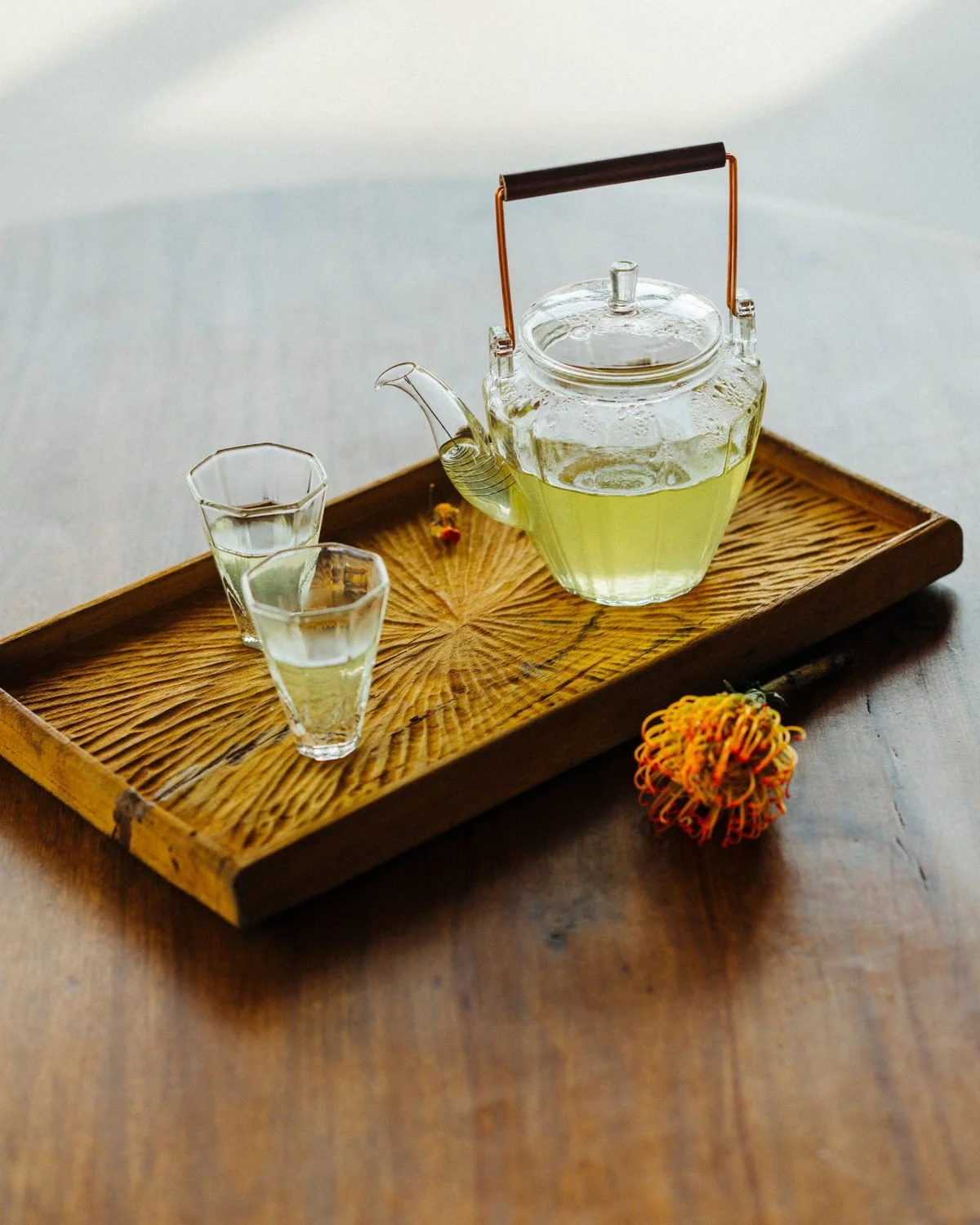
Three remedies that are gentle, accessible and worth the cupboard space:
Fresh ginger root: Steeped in hot water with a slice of lemon. Warming, settles the stomach and ideal first thing on a damp morning.
Chrysanthemum or peppermint tea: Soothing for the scratchy, tight throat that shows up after a week in dry office heating.
Astragalus root (Huang Qi): A traditional root simmered slowly into broths or soups throughout autumn and winter to build vitality. Buy it dried for the pot rather than as a tablet.
A sensible note: Herbs interact with prescription medication, particularly blood thinners and blood pressure treatments, so check with your pharmacist before introducing regular herbal decoctions. If you are pregnant, always take specialist advice first.
Small changes that do the most
Prioritise earlier sleep: Rise with the daylight and rest earlier than you did in midsummer. It is the single change that makes the most difference to how you feel by November.
Move daily, but gently: Long walks, swimming and unhurried stretching. Autumn is not the season for physical heroics.
Breathe deliberately: Spend two minutes each day practising slow, deep nasal breathing. The Lung is the organ of the season, and conscious breathing is the most direct way to release bracing tension in the chest.
Cover the nape of your neck: Keep a light scarf on hand whenever stepping into the wind.

Where we come in
Massage will not stop you catching a cold. What it does do is release the deep tension in a body that has spent weeks hunched against the biting rain, offering an hour of quiet, sustained warmth in the middle of a dreary week.
Two of our treatments suit this seasonal transition particularly well:
Cupping Therapy: Originating from the same traditional framework, cupping releases stubborn stagnation and muscle tightness across the upper back, neck and shoulder blades. That is precisely where autumn cold gathers.
Thai Style Warm Oil Massage: Performed with warm oils on the couch rather than a floor mat, this treatment pairs smooth, flowing strokes with gentle assisted stretching to open the chest, ribs and shoulders, counteracting the natural reflex to curl inward against the cold.
Book an hour somewhere in the next few weeks. Not as a treat for getting through it, but as part of how you get through it.
Orchid Thai Massage & Wellbeing · Unit 5C, Millennium Court, 5–9 Burns Street, Glasgow G4 9SA · Open daily, 10:00 to 20:00 · Free parking outside